

A world next to us
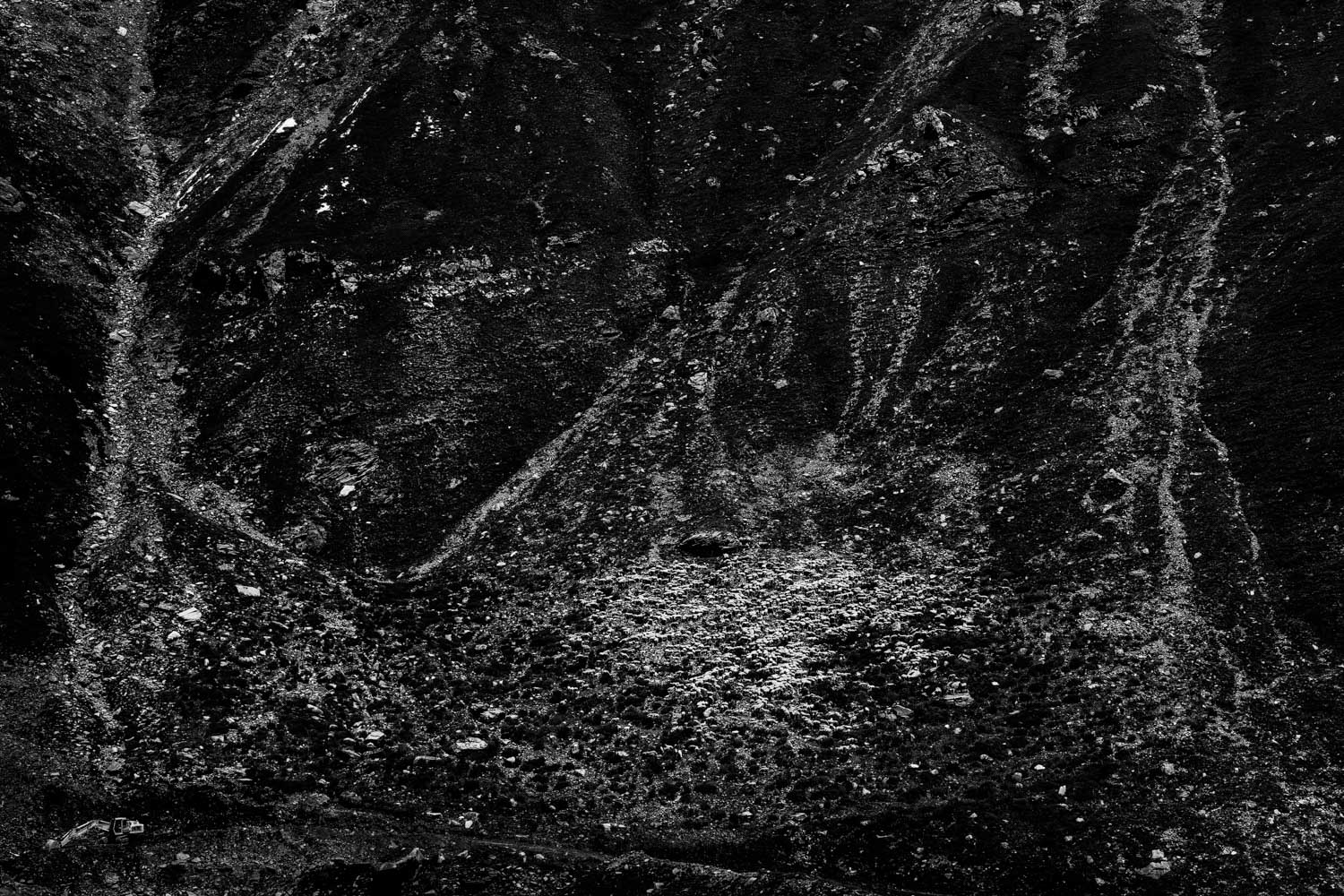
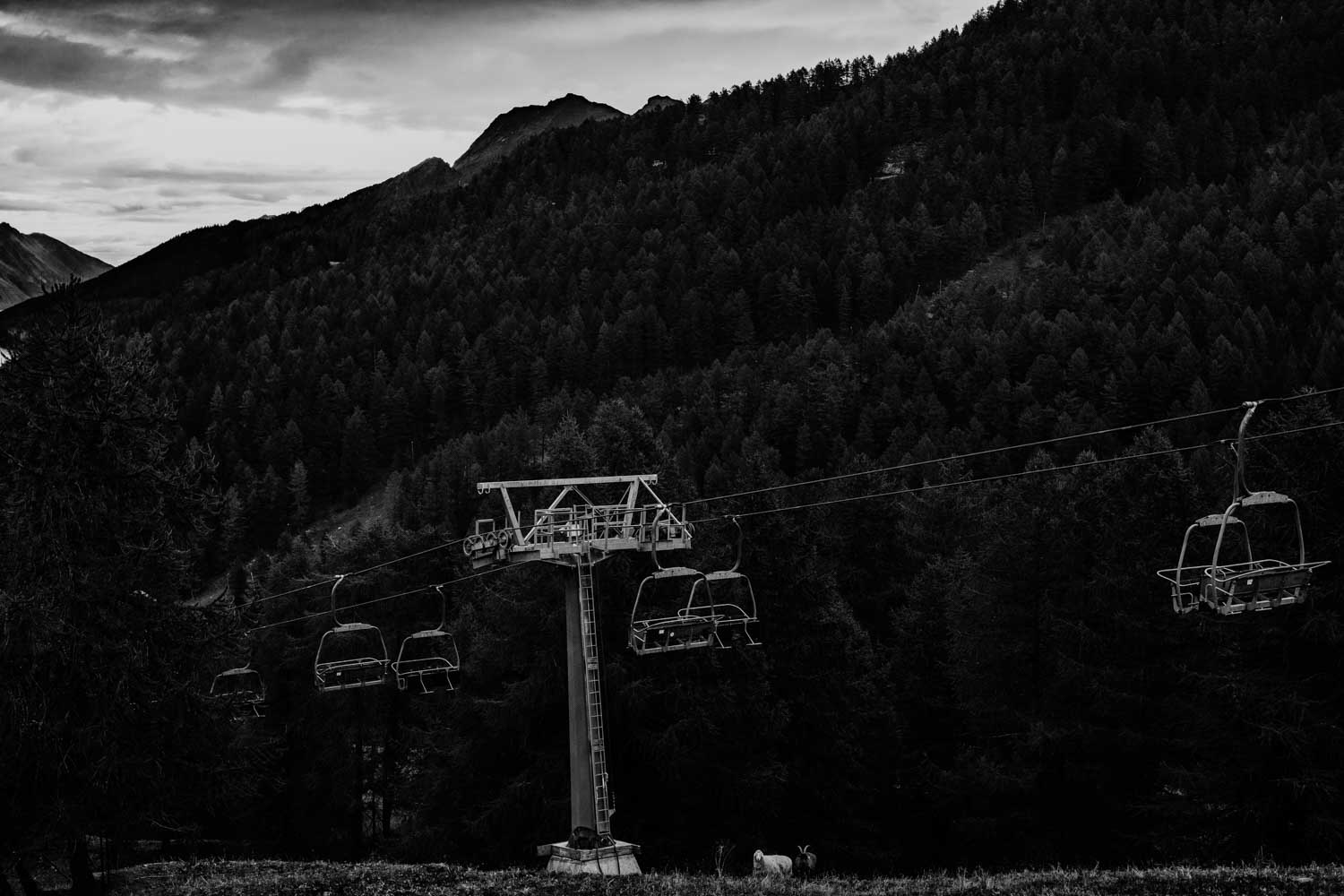
The Susa Valley: a territory that has always occupied a unique position in the historical and geographical context of Europe. A place of passage, certainly, from Hannibal to the German and then Anglo-American armies of the last war. But it is also a frontier, dotted with gigantic fortresses and countless bunkers, defenses of stone and concrete against the potential invasion of the neighbor, the enemy, the "other." This dichotomy (bipolarity) is becoming more acute today, and the Valley is unwittingly transforming into a paradigm of globalization's schizophrenia. Alongside the fortifications, abandoned farmhouses and factories, new agritourisms and luxury chalets, stand highway viaducts, Olympic megaprojects, and the construction sites of the TAV, the high-speed train. The Valley also becomes a witness and, at the same time, a symbol of the martyrdom of thousands of people seeking a new homeland and a better future.
The Valley welcomes, the Valley rejects.
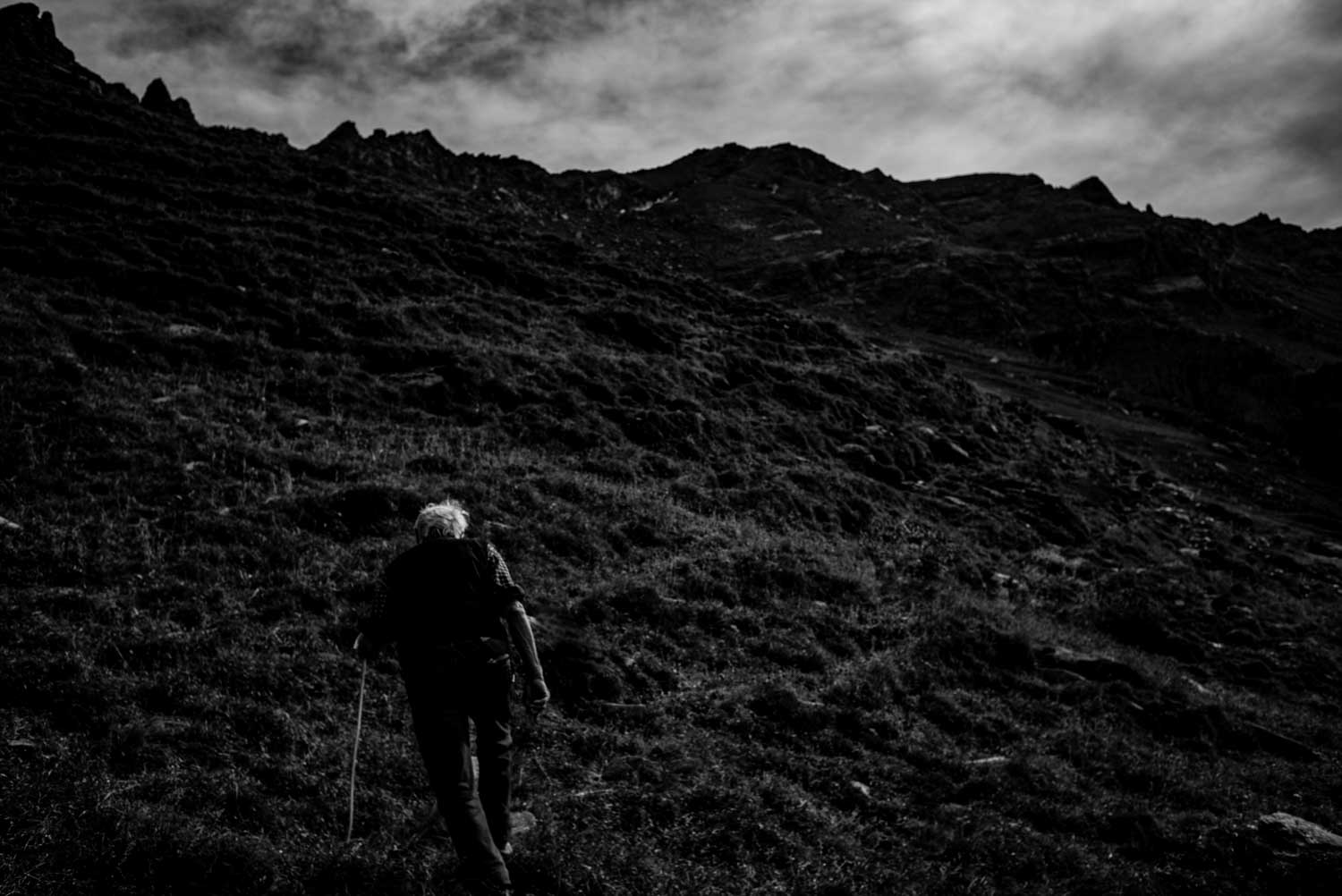
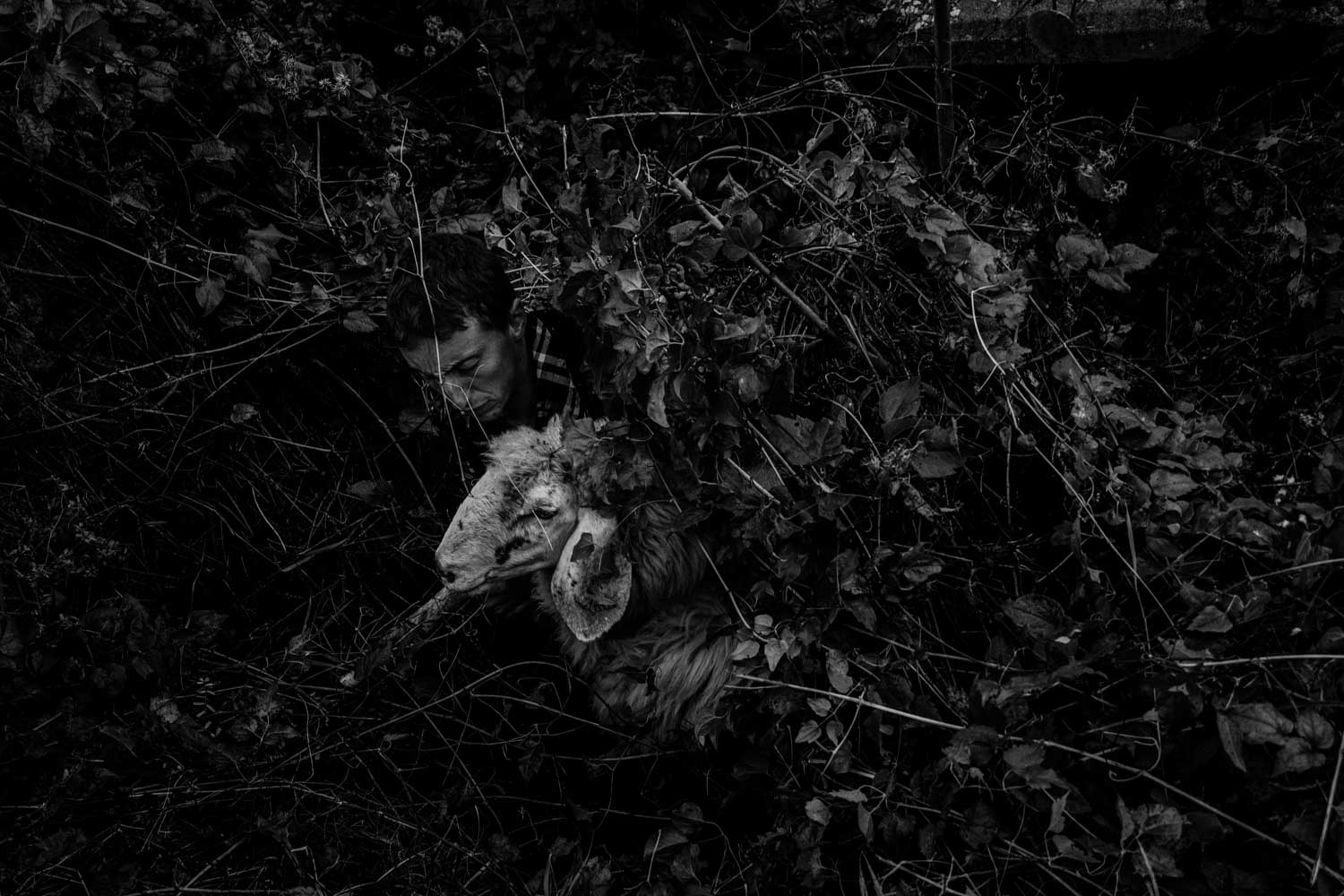
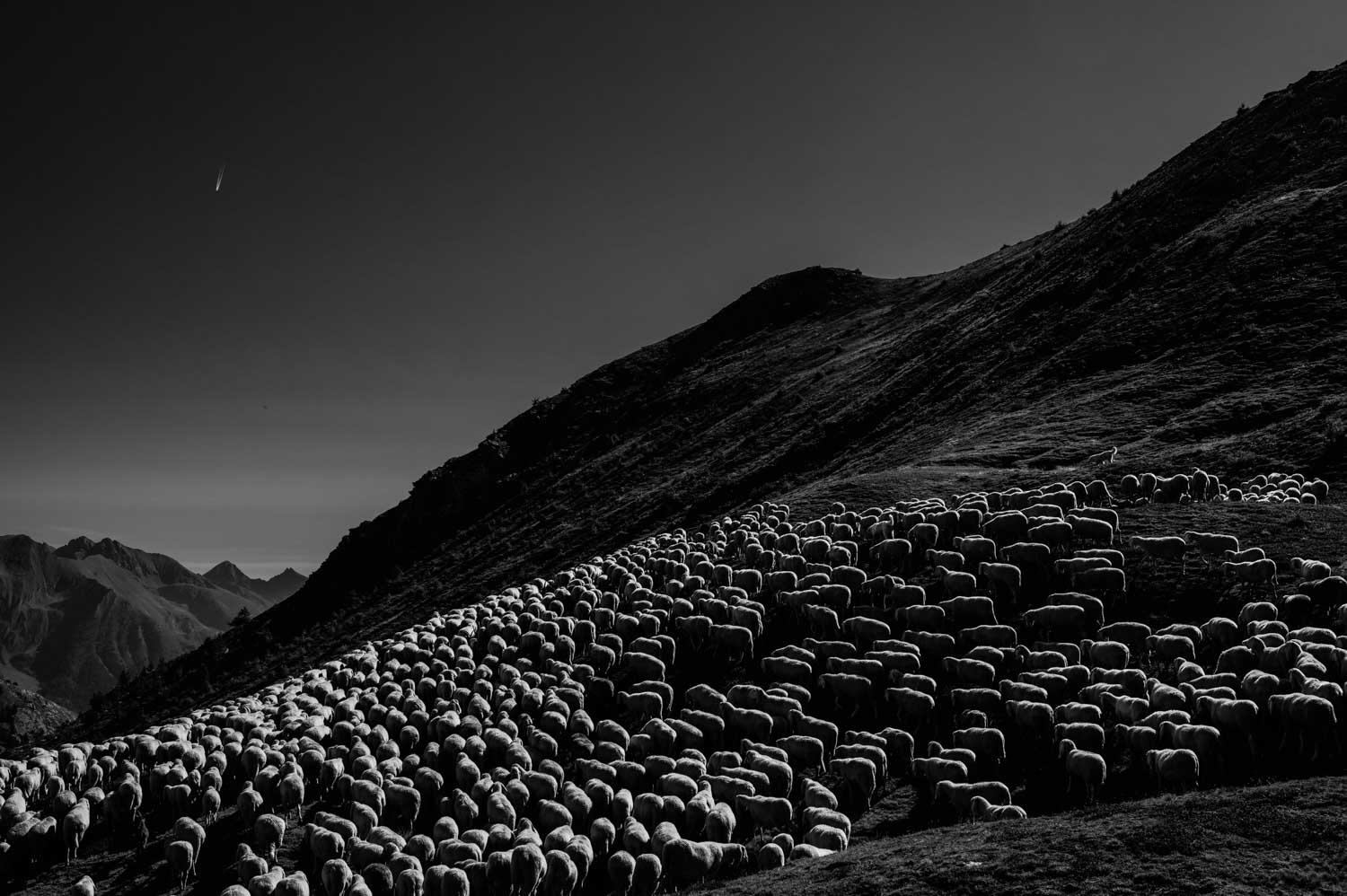
But it does not abandon its timeless traditions, which are now also transformative and forced to adapt to global evolution. Transhumance, for example, particularly sheep transhumance. An essential part of the valley's basic economy, it challenges modernity by countering it with the value of the ancestral, and sheep transhumance adapts to the times in order to survive. It is a phenomenon that takes on the quality of a metaphor: the hard, extremely self-sacrificing work of the mountain shepherd is now accepted only by stubborn lovers of shepherding: hardened elders or young dreamers, sometimes by immigrants, that is, by those few people who still combine a spirit of sacrifice with knowledge of the trade, all for modest earnings.
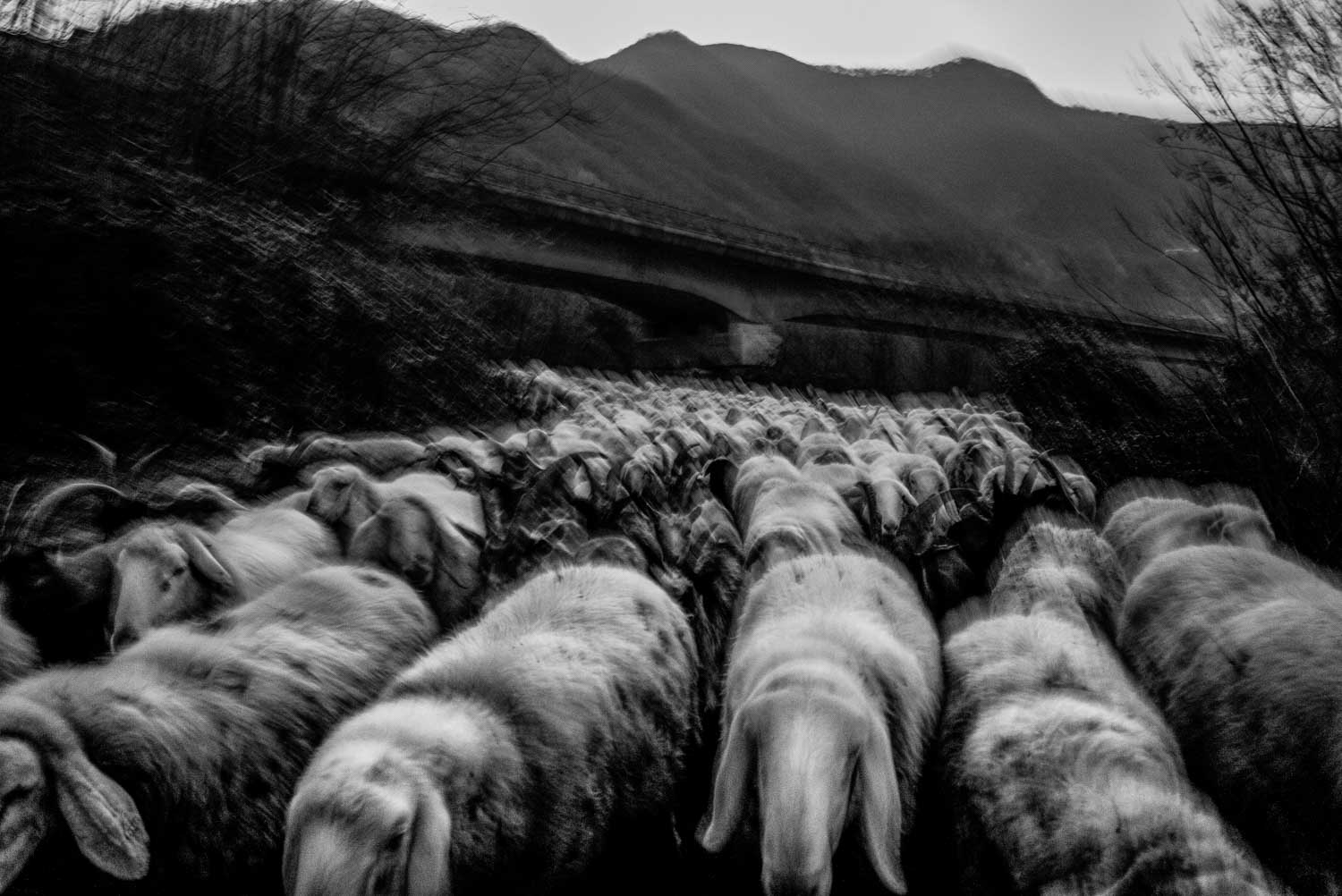
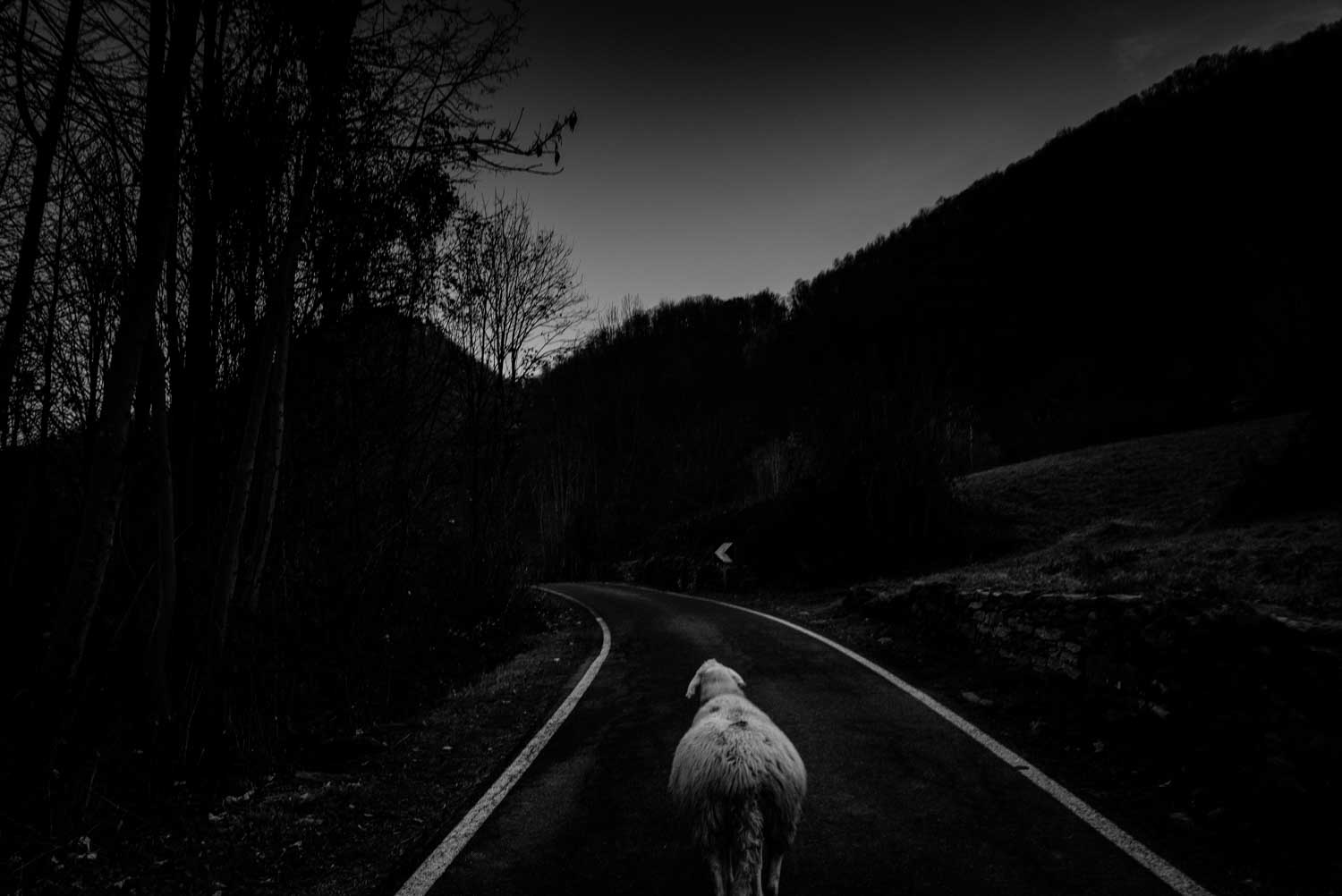
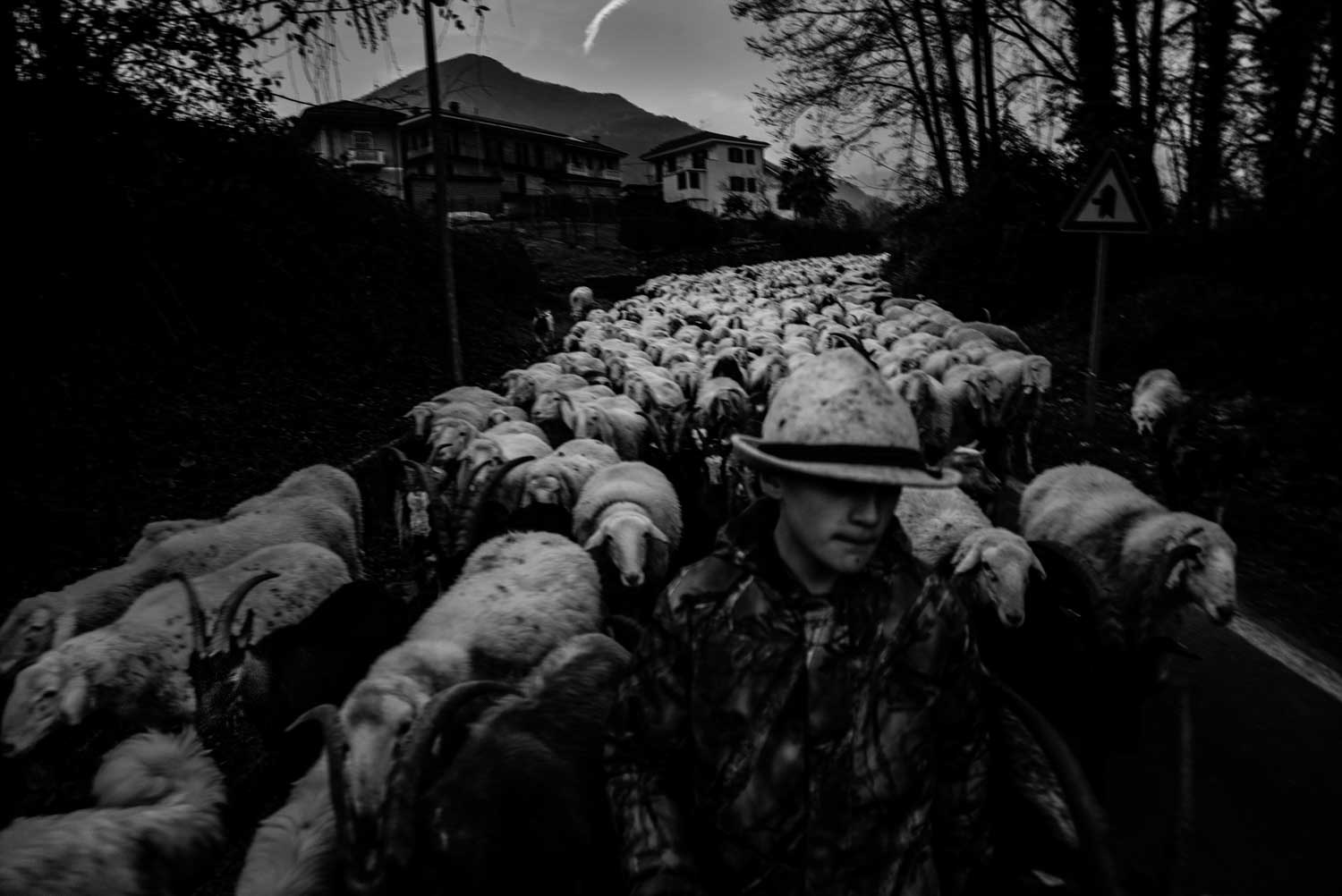
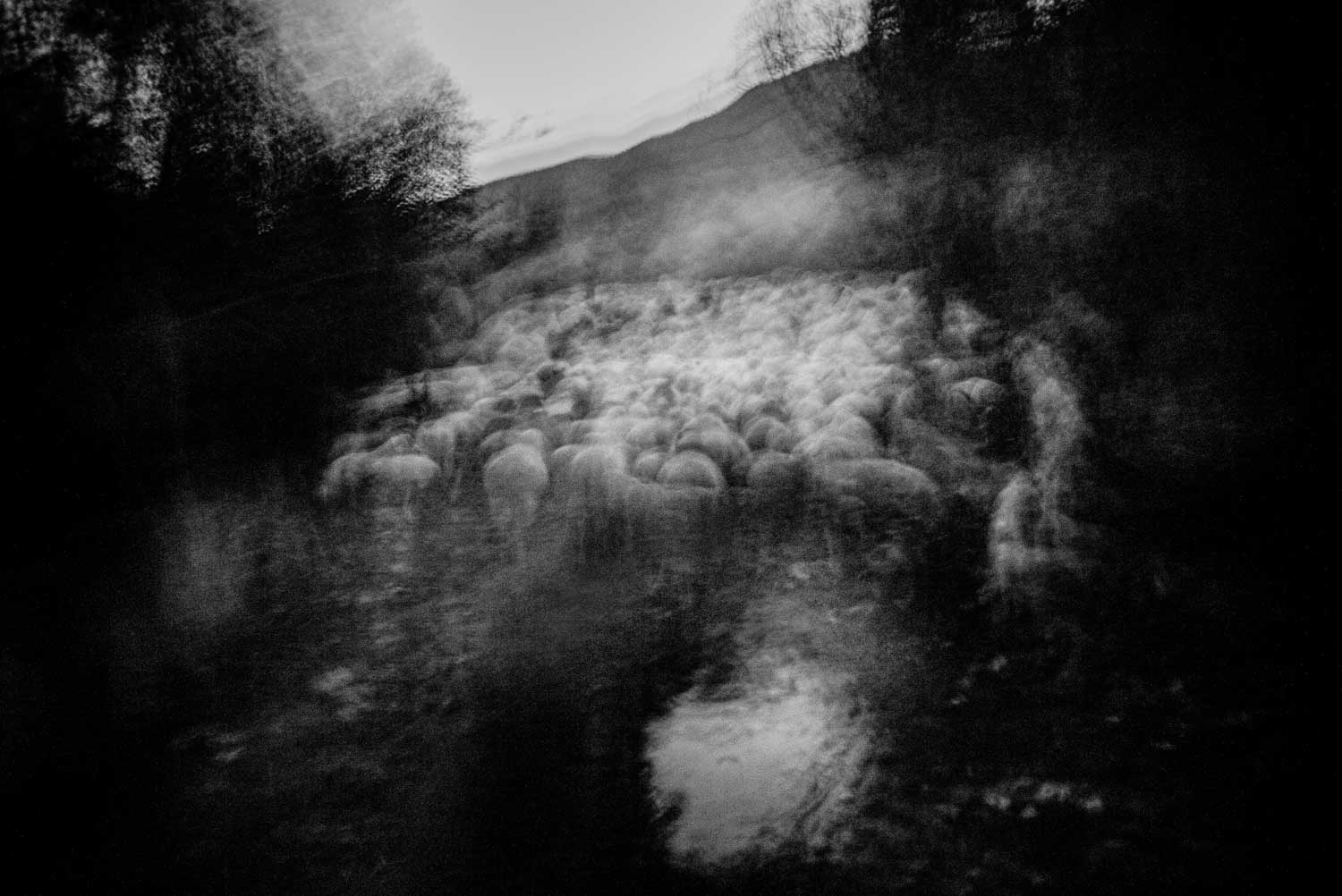
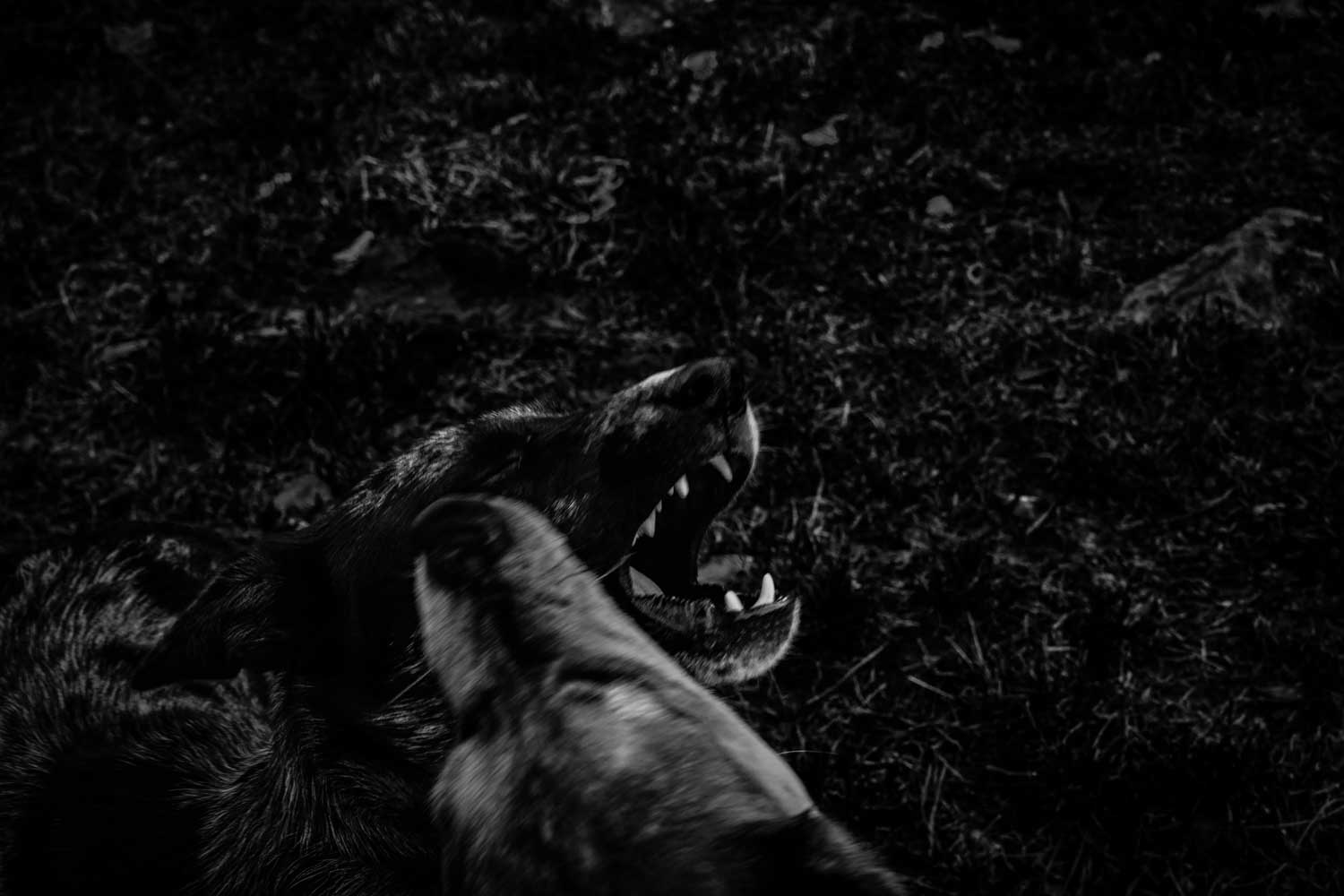
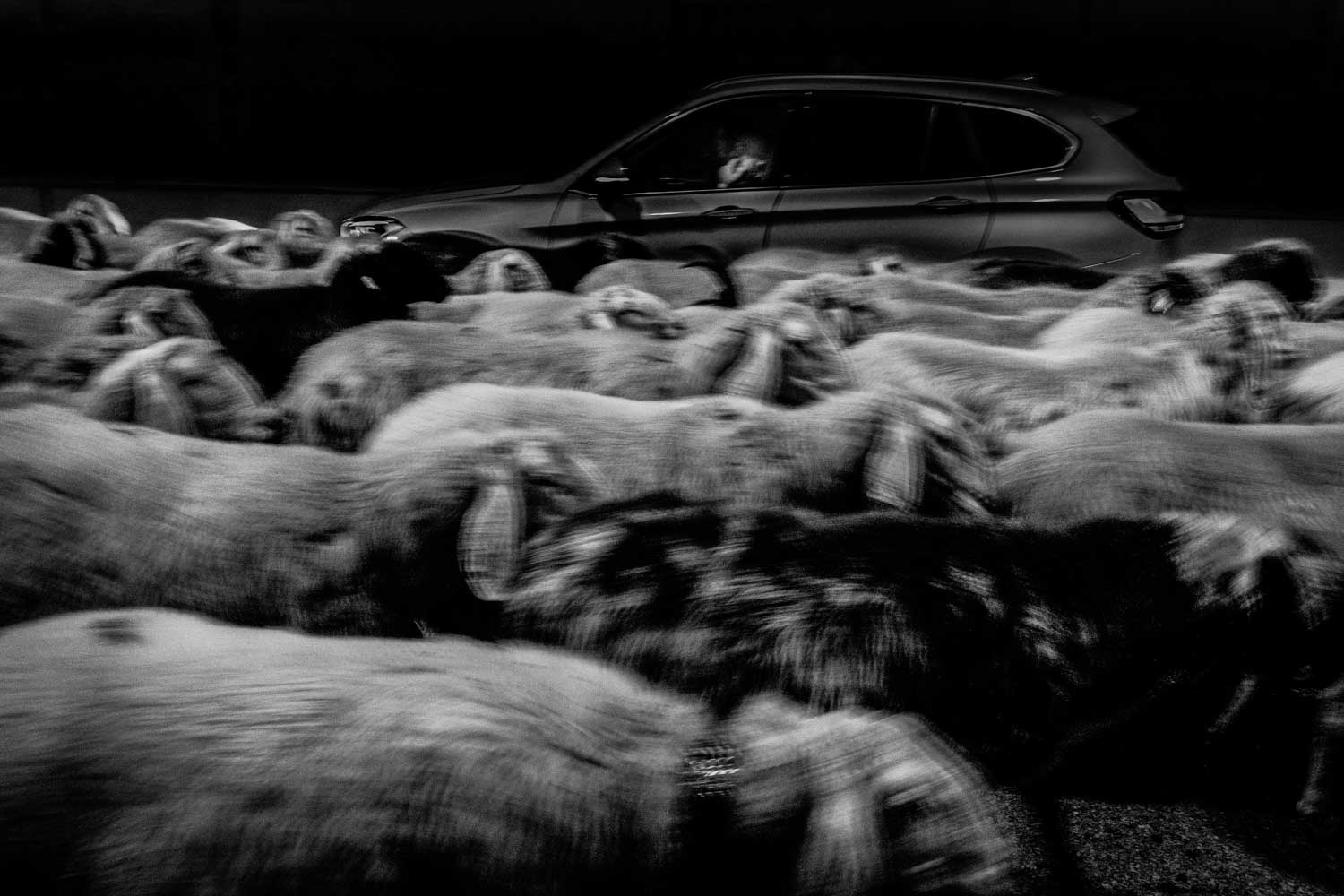
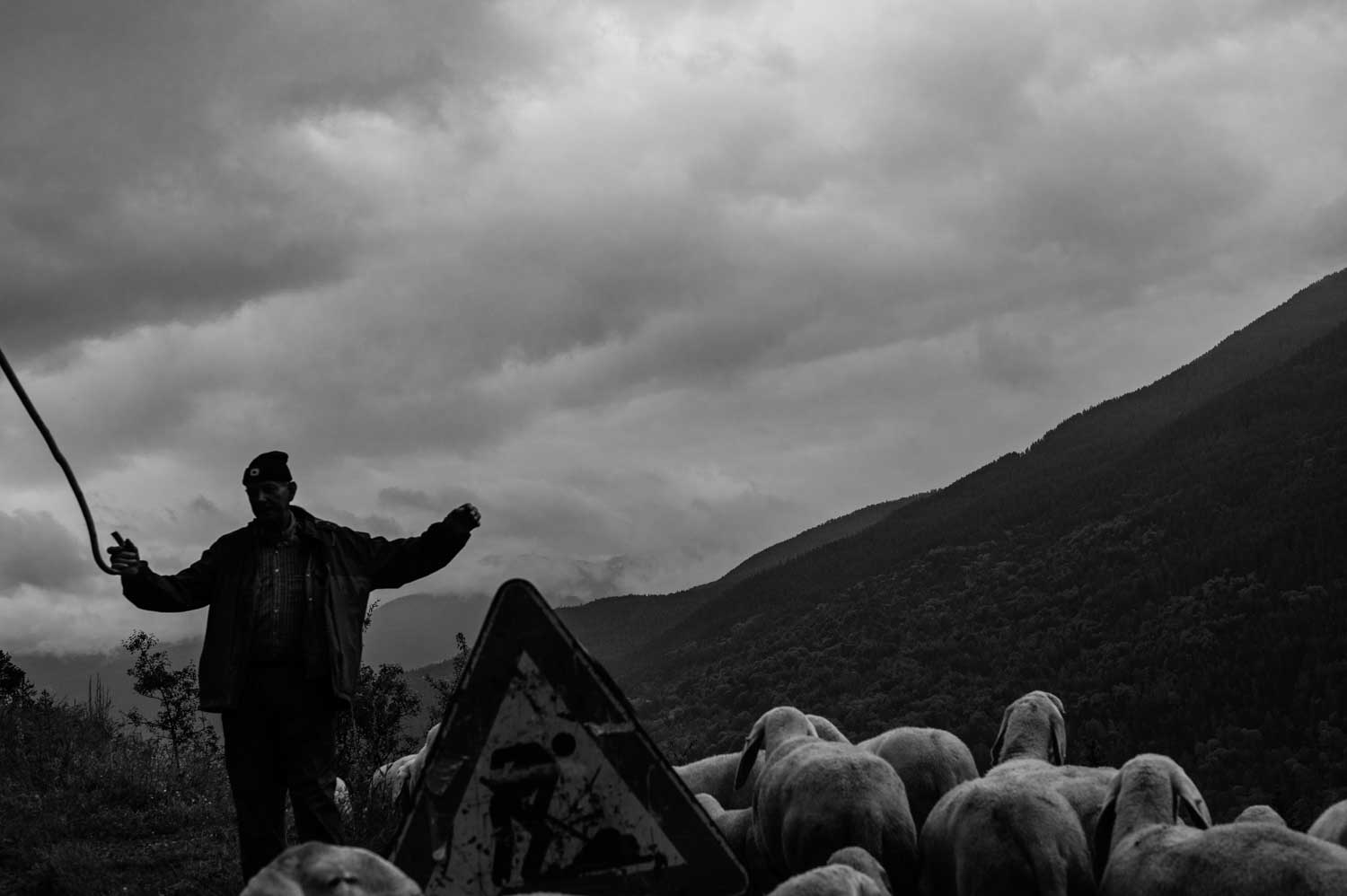
Large flocks of sheep and goats move up and down the Alpine valleys in the spring and autumn seasons, sometimes inventing improbable and surreal paths between state roads, viaducts, railways, and houses. In short, anywhere you can pass without excessively "disturbing" the lives of the valley dwellers. At the head and tail of the flocks move the shepherds, figures teetering between myth and marginality, accompanied by their ever-present Maremman sheepdogs, the only bastion of resistance against the unstoppable advance of the wolf.
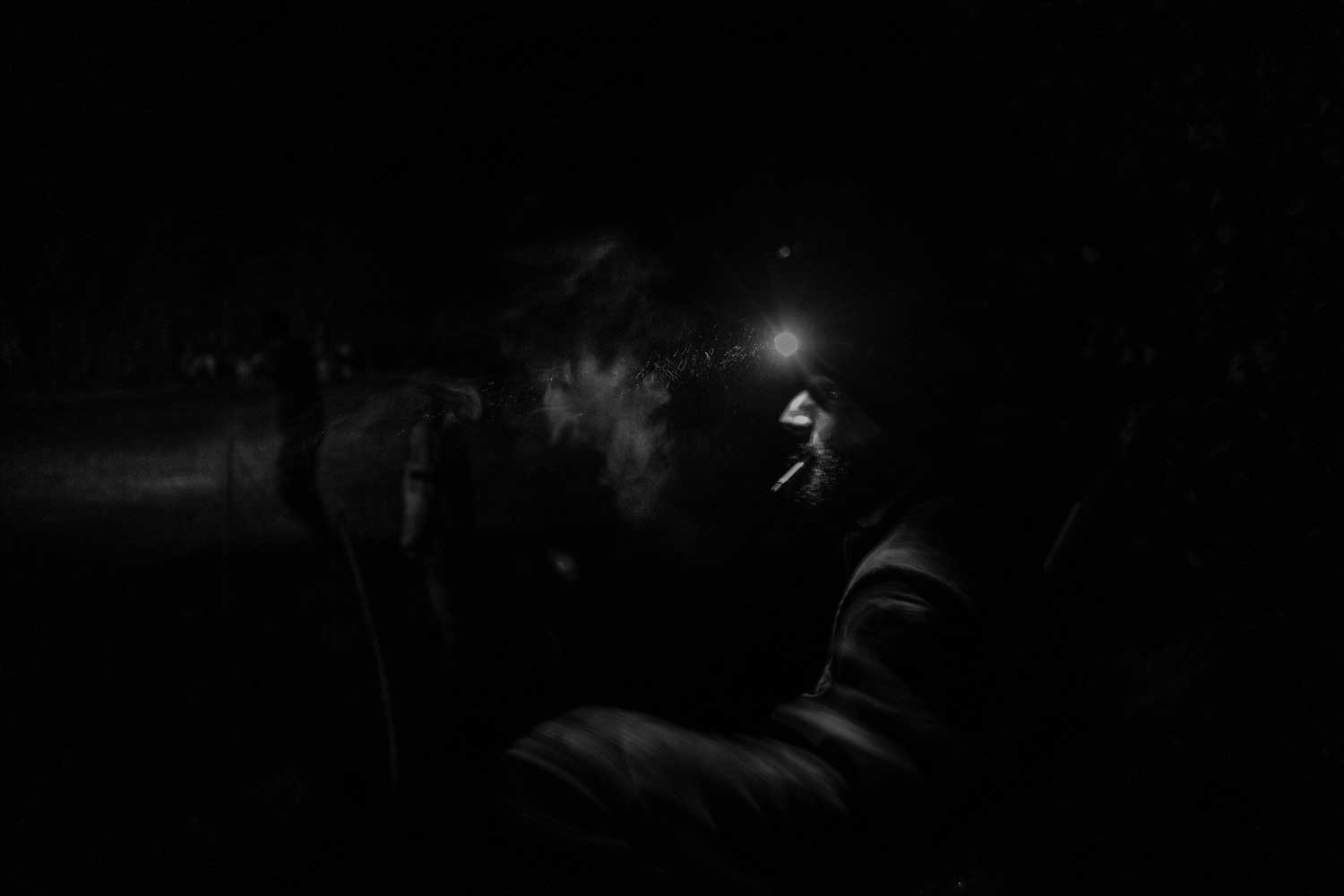
They look like silent, forgotten migrants, shadows passing by pylons, under bridges, and along railway tracks, before reaching the mountain pastures in summer and the vast expanses of grassland in the lowlands in winter. Down in the plains, from October to June, shepherds who don't want or can't stay on their farms must travel daily with their thousands of sheep through meadows and woods, or to the outskirts of cities that aren't always welcoming to them, battling the bureaucracy of permits and the malevolence of their "citizens."
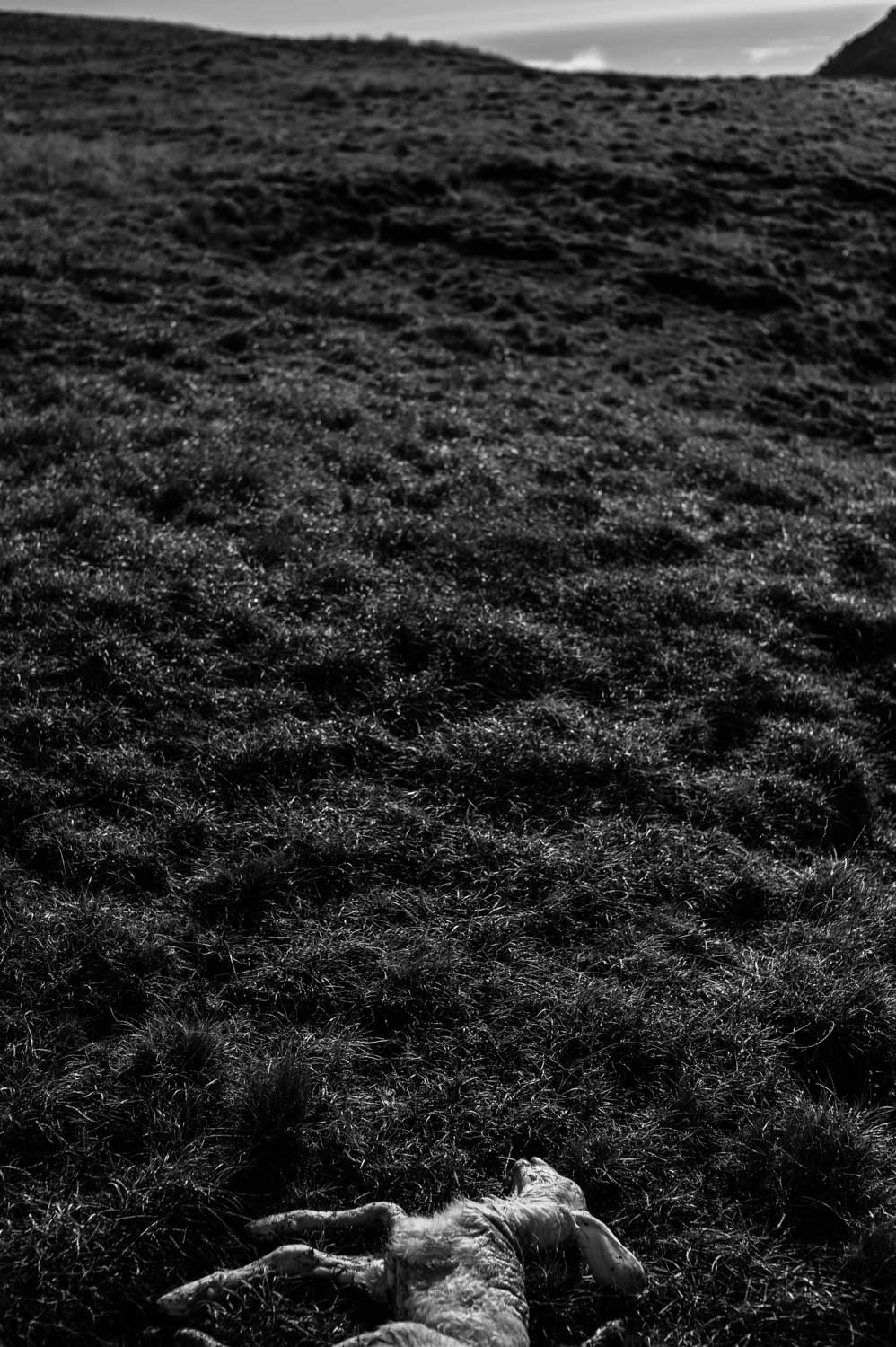
A phenomenon, as already mentioned, as surreal as it is real, and above all, paradigmatic of a world victim of its own unstoppable and contradictory forward motion. A phenomenon close to us but little visible, or rather little "seen," in which diverse and timely issues converge, and which is worth highlighting to help us understand its importance in our daily lives, as well as all the difficulties and sacrifices necessary to make this life of ours more pleasant. To highlight the phenomenon of sheep transhumance in the Susa and Chisone Valleys, as well as its relationship with a valley context that is inexorably globalizing, I followed the flocks and shepherds from their grazing areas in the plains to the mountain pastures and back. I sought to highlight the relationship between the modern and the ancestral, analyzing the challenges of moving large flocks in an area crisscrossed by major international communication routes and the coexistence of the pastoral world with its antithesis, that is, the urban, city-dwelling way of life.